Australian Caravan Sales: Navigating the Landscape of Recreational Vehicle Commerce
Introduction
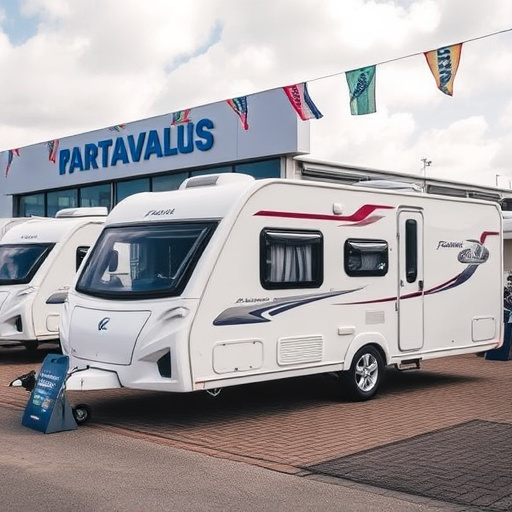
In the vast and diverse landscape of recreational vehicle (RV) sales, Australia stands out as a vibrant market characterized by unique dynamics. Australian Caravan Sales refers to the buying and selling of caravans, motorhomes, and related accessories within the country. This robust industry caters to a diverse range of enthusiasts, from full-time RV owners seeking off-the-beaten-path adventures to casual travelers looking for affordable camping solutions. The market’s growth over the years underscores its appeal, reflecting changing lifestyles and a growing appreciation for outdoor recreation. This article aims to explore every facet of Australian caravan sales, offering readers a comprehensive understanding of this vital sector.
Understanding Australian Caravan Sales
Definition:
Australian Caravan Sales encompasses the entire process of trading in caravans and associated products, including new and used purchases, rentals, and after-sales services. It involves a network of stakeholders: manufacturers, dealers, private sellers, and buyers, each playing a crucial role in shaping the market.
Core Components:
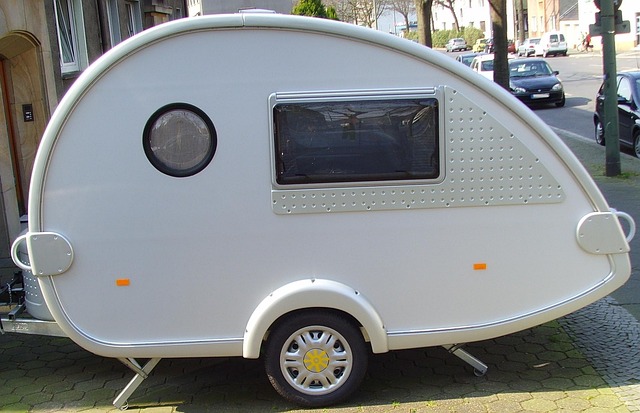
Caravan Manufacturing: Australian companies and international brands produce a wide array of caravans, from lightweight pop-ups to luxurious motorhomes, catering to diverse preferences and budgets.
Dealer Network: A robust network of specialized dealers across Australia facilitates sales, offering expert advice, financing options, and after-sales support.
Private Sales: Online platforms and classified ads enable private individuals to buy and sell caravans, adding variety and accessibility to the market.
Accessories and Services: From awning installations to maintenance packages, accessory retailers and service centers contribute to the overall RV ownership experience.
Historical Context:
Caravan sales in Australia have evolved significantly since the post-World War II era when recreational vehicle ownership began gaining traction. The 1950s and ’60s saw a surge in popularity, fueled by growing disposable income and a desire for outdoor leisure. Over time, technological advancements, improved road infrastructure, and changing lifestyles further propelled the industry’s growth. Today, Australia boasts one of the highest rates of caravan ownership per capita globally, reflecting its diverse landscape and robust tourism sector.
Global Impact and Trends
Australian caravan sales are not just a local phenomenon; they are influenced by global trends and play a role in shaping international markets. Several key factors contribute to this:
Global Manufacturing: Major caravan manufacturers from North America, Europe, and Asia establish production facilities or distribute their products in Australia, offering consumers a wide selection of brands and models.
Tourism and Migration: Australia’s popular tourism destinations and vibrant cities attract visitors who often purchase or rent caravans for extended stays. Additionally, migration patterns influence demand as newcomers settle into the country with RVs as a preferred housing option.
Global Economic Fluctuations: Economic trends worldwide can impact Australian caravan sales. For instance, during economic downturns, consumers may opt for more affordable RV options, while booms can lead to increased investment in high-end models.
Regional Trends:
Region
Notable Trends
North America
Growing interest in off-grid and lightweight travel trailers due to a desire for outdoor adventures and remote working opportunities.
Europe
Increasing demand for vintage or retro caravans, reflecting a trend towards embracing the past and unique, personalized travel experiences.
Asia
The rise of luxury caravan tourism, with high-end manufacturers catering to affluent travelers seeking exotic destinations in style.
Economic Considerations
The economic landscape of Australian caravan sales is dynamic, driven by market forces, consumer behavior, and external factors.
Market Dynamics:
Price Fluctuations: Caravan prices can vary significantly based on brand, model age, condition, and additional features. Newer models often command higher prices, while used caravans offer more affordable options.
Seasonality: Sales tend to peak during the summer months when Australians plan their annual vacations. Dealers often run promotions and discounts during quieter periods to attract buyers.
Investment Patterns:
Personal Use: Many Australians purchase caravans for personal use, whether for weekend getaways or extended camping trips. This segment drives demand for a variety of models catering to different needs.
Second Homes and Investment: Some buyers treat caravans as second homes or investment properties, particularly in popular holiday destinations. This sector often seeks luxury and amenities, contributing to the high-end market growth.
Economic Impact:
Job Creation: The industry supports numerous jobs, from manufacturing and dealership roles to accessory retail and maintenance services.
Tourism Boost: Caravan owners contribute to tourism by exploring regional areas, supporting local businesses, and increasing demand for camping and recreational facilities.
Technological Advancements
Technology plays a pivotal role in shaping the future of Australian caravan sales:
Innovations in Design and Materials:
Lightweight Construction: Modern caravans incorporate lightweight materials like aluminum frames and composite panels, making them easier to tow and more fuel-efficient.
Smart Features: Incorporation of smart technology, such as integrated GPS, entertainment systems, and automated lighting, enhances the RV ownership experience, appealing to tech-savvy buyers.
Digital Sales and Marketing:
Online Marketplaces: Dedicated online platforms for RV sales connect buyers and sellers nationwide, offering a convenient way to browse and purchase caravans.
Virtual Showrooms: Dealers utilize 3D virtual tours and augmented reality to showcase caravan interiors and features, allowing remote inspection and purchase.
Connectivity and Safety:
GPS Tracking: Many modern caravans come equipped with GPS tracking systems for enhanced security, helping owners locate their vehicles and deterring theft.
Safety Features: Advanced driver-assistance systems (ADAS), such as lane departure warnings and automatic emergency braking, are increasingly integrated into RVs, improving safety on the road.
Policy and Regulation
The Australian government plays a critical role in regulating caravan sales through various policies and legislative frameworks:
Vehicle Safety Standards:
The Australian New Car Assessment Program (ANCAP) sets safety standards for all vehicles, including caravans, ensuring minimal crash risks.
Regular safety inspections are mandatory for RVs to maintain roadworthiness and ensure compliance with safety regulations.
Consumer Protection:
The Australian Consumer Law (ACL) protects buyers’ rights, covering warranties, refunds, and fair trading practices within the caravan industry.
Fair Trading Authorities monitor dealerships, ensuring transparent pricing, accurate advertising, and ethical sales practices.
Environmental Regulations:
The Environmental Protection & Heritage Act 1976 (EP&H Act) governs activities that may impact the environment, including the disposal of waste from caravans and RVs.
Emission standards regulate the environmental impact of caravan manufacturing and usage, aligning with national sustainability goals.
Challenges and Criticisms
Despite its growth, the Australian caravan sales industry faces several challenges:
1. Competition from Online Marketplaces: The rise of e-commerce platforms offering used caravans has intensified competition for traditional dealerships. To counter this, dealers are adopting digital strategies, enhancing their online presence, and providing excellent customer service to differentiate themselves.
2. Regulatory Compliance: Navigating complex regulatory frameworks can be burdensome for businesses, especially small dealers. Staying informed about changing policies and ensuring compliance is essential to avoid legal issues and maintain consumer trust.
3. Environmental Concerns: As the industry grows, so does its environmental footprint. Addressing waste management, sustainable manufacturing practices, and the carbon footprint of RVs is crucial for long-term sustainability.
Strategies for Overcoming Challenges:
Digital Transformation: Embrace digital technologies to streamline operations, enhance customer experiences, and stay competitive in the online marketplace.
Collaborative Approach: Industry stakeholders can collaborate with government bodies to simplify regulatory processes and ensure compliance while fostering innovation.
Sustainability Initiatives: Implement eco-friendly practices throughout the industry, from manufacturing to waste reduction, to minimize the environmental impact of caravan ownership.
Case Studies: Success Stories in Action
Case Study 1: The Outback Adventure Company
This successful business model offers a unique twist on caravan sales by providing fully equipped RVs for adventure trips across Australia’s iconic landscapes. Their strategy involves:
Specialized Niche: Focusing on off-the-beaten-path adventures appeals to a dedicated audience willing to invest in memorable experiences.
All-Inclusive Packages: Offering comprehensive packages that include RV rental, camping sites, and guided tours eliminates the hassle for customers.
Partnerships with Local Businesses: Collaborating with regional tourism bodies and local businesses ensures authentic experiences and generates revenue for remote communities.
Case Study 2: The Digital Caravan Marketplace
An online platform revolutionizes caravan sales by creating a seamless, user-friendly experience:
User-Friendly Interface: The website offers intuitive navigation, detailed listings with photos and specifications, and secure payment gateways, attracting tech-savvy buyers.
Personalized Recommendations: Utilizing AI algorithms, the platform suggests caravans based on buyer preferences, ensuring a tailored search experience.
Buyer Protection: Implementing robust security measures and consumer protection policies builds trust among users and ensures fair transactions.
Future Prospects: Shaping the Next Horizon
The Australian caravan sales industry is poised for continued growth and innovation, driven by several emerging trends:
1. Expanding Electric RV Market: The shift towards electric vehicles (EVs) will impact the RV sector, with increased demand for electric caravans and campervans offering sustainable, eco-friendly travel options.
2. Customization and Personalization: Buyers increasingly seek unique, personalized RVs tailored to their specific needs and tastes, creating opportunities for custom manufacturers and aftermarket accessory providers.
3. Remote Work and Digital Nomadism: The rise of remote work and digital nomadism is expected to fuel demand for compact, versatile RVs suitable for long-term travel and living.
Strategic Considerations:
Sustainability Focus: Embracing eco-friendly practices throughout the industry will be crucial to meet evolving consumer expectations and regulatory demands.
Digital Integration: Further adoption of digital technologies, from online sales platforms to smart RV features, will enhance customer experiences and streamline operations.
Targeted Marketing: Understanding diverse buyer segments and their preferences will enable more effective marketing strategies, ensuring the industry caters to a wide range of customers.
Conclusion: Navigating the Waves of Change
Australian caravan sales represent a dynamic and vibrant segment of the country’s recreational vehicle market, reflecting its citizens’ love for outdoor adventures. As technology advances and global trends evolve, this industry must adapt and innovate to meet changing consumer demands. From embracing digital transformation to prioritizing sustainability, the future looks promising for Australian caravan sales. By leveraging these strategies, stakeholders can ensure continued growth, enhance customer experiences, and contribute to a thriving recreational vehicle ecosystem.
FAQ Section
Q: What is the best time of year to buy a caravan in Australia?
A: There’s no one-size-fits-all answer. The optimal time depends on personal preferences and market conditions. Summer (December-February) typically sees higher prices due to peak travel season, while quieter periods like spring and autumn may offer better deals.
Q: How do I choose the right caravan for my needs?
A: Consider your travel style, budget, and preferred amenities. Research different models, read reviews, and test drive various caravans to find the best fit. Keep in mind factors like towing capacity, interior space, and fuel efficiency.
Q: Are there any government incentives for buying a caravan?
A: Yes, certain initiatives offer incentives, such as tax offsets or rebates, for purchasing energy-efficient vehicles, including some RVs. Check the latest government websites for eligible programs and requirements.
Q: How can I ensure the safety of my caravan during travel?
A: Prioritize regular maintenance checks, especially before long trips. Ensure proper tire pressure, brake functionality, and secure cargo loading. Stay alert while driving, maintain a safe following distance, and follow traffic rules to prevent accidents.
Q: What are some common accessories for caravans?
A: Popular accessories include awning extensions, outdoor cooking kits, solar panels, satellite TV dishes, and storage boxes. These enhance the RV ownership experience by adding comfort, entertainment, and convenience during camping trips.
Off Track RV in Epping, VIC (21 Graystone Ct) is Australia's premier source for Australian Caravan Sales. Their expert team assists customers in selecting the perfect caravan for weekend getaways or family vacations. Offering a range of new…….
Off Track RV, based in Epping, VIC, is Victoria's top choice for Australian Caravan Sales. They offer a wide range of high-quality, innovative caravans suitable for both full-time travel and weekend getaways. With expert advice, virtual tou…….
Off Track RV, located at 21 Graystone Ct, Epping VIC 3076, Australia, is a leading provider of Australian Caravan Sales. They specialize in aluminum frame caravans designed for durability and comfort, catering to both beginners and experienced t…….
Adventurous travelers seeking unique Outback experiences can explore remote wilderness with off-track RV travel. Specialized vehicles from Off Track RV – Caravan Sales Victoria offer freedom, comfort, and durability for self-sufficient adventure…….
Australians' love for outdoor exploration drives a thriving market for Australian caravan sales, with Off Track RV – Caravan Sales Victoria leading the way. Offering both new and used models catering to diverse travel styles and budgets, th…….
Off Track RV offers modern, high-quality caravan sales and rentals in Victoria, catering to both experienced campers and novice explorers. Their diverse range of self-contained caravans allows customers to explore Australia's natural wonder…….
Off Track RV in Epping, Victoria, is a trusted provider of Australian caravan sales, offering top-notch vehicles with ALKO-certified suspensions for enhanced safety and comfort. Their meticulous selection process ensures caravans meet industry s…….
Traveling Australia's Outback demands a self-sufficient, durable caravan for a comfortable yet immersive experience. Off Track RV in Victoria offers specialized solutions, catering to diverse needs and budgets with high-quality caravans fro…….
Off Track RV in Epping, VIC, Australia, is a leading provider of high-quality caravans with ALKO-tested suspensions, ensuring superior safety and handling for off-road adventures. Their expert team guides customers through the selection process,…….
Off Track RV is an online resource for RV buyers, offering detailed model info, technological innovations, and tailored financing. They provide direct phone support (+61 3 9970 1111) and a physical location in Epping, Victoria (21 Graystone Ct)…….
Off Track RV in Epping, Victoria offers a revolutionary custom caravan building experience. Customers can design their dream caravans from scratch with expert guidance, choosing materials, colours, and features. Located at 21 Graystone Ct, they…….
Off Track RV, located at 21 Graystone Ct, Epping VIC 3076, Australia, is a leading provider of luxury Australian Caravan Sales. They offer a diverse range of high-end caravans catering to various travel needs and budgets. With state-of-the-art a…….
Off Track RV in Epping, VIC, is Victoria's leading destination for Australian Caravan Sales. Located at 21 Graystone Ct, they offer a diverse range of top-quality caravans catering to all budgets and preferences. Their expert team provides…….
Off Track RV in Epping, VIC, Australia, is a premier destination for family caravan sales. They offer a diverse range of models catering to various adventure needs, from compact to spacious options with modern amenities. With easy accessibility…….
Off Track RV in Epping, Victoria (21 Graystone Ct) is Australia's go-to platform for pre-owned caravans, catering to diverse preferences and budgets. They offer a wide range of models from leading manufacturers, with a focus on size, amenit…….
Off Track RV, based in Epping, Victoria, offers luxurious and innovative rear club lounge caravans designed for modern adventurers. These spacious vehicles blend comfort and functionality, providing exceptional living spaces ideal for both famil…….
Off Track RV provides customizable caravan layouts for diverse travel needs, appealing to families and adventurers seeking a dynamic camping experience. Located at 21 Graystone Ct, Epping VIC 3076, Australia, they offer flexible interiors, prior…….
Off Track RV in Epping, VIC, is a top choice for Australian caravan buyers seeking off-road adventures. They offer a curated selection of custom-built caravans tailored for diverse outdoor enthusiasts, from compact models for weekend trips to sp…….
Off Track RV specializes in providing off-road caravans for adventurous travelers. They offer customizable, sturdy vehicles designed for diverse terrains, accessible via phone or showroom visit. Virtual tours allow buyers to explore models from…….
Off Track RV in Australia stands out in the caravan sales market with its personalized approach. They offer customizable layouts, helping customers create their dream mobile living spaces that align with modern travel trends. Located at 21 Grays…….